
Chainsaw Sharpener Manual: A Comprehensive Guide
This manual details efficient and safe chainsaw maintenance, focusing on sharpening techniques; Dull blades are dangerous; learn to restore peak performance and safety today!
Understanding Chainsaw Chains & Sharpening
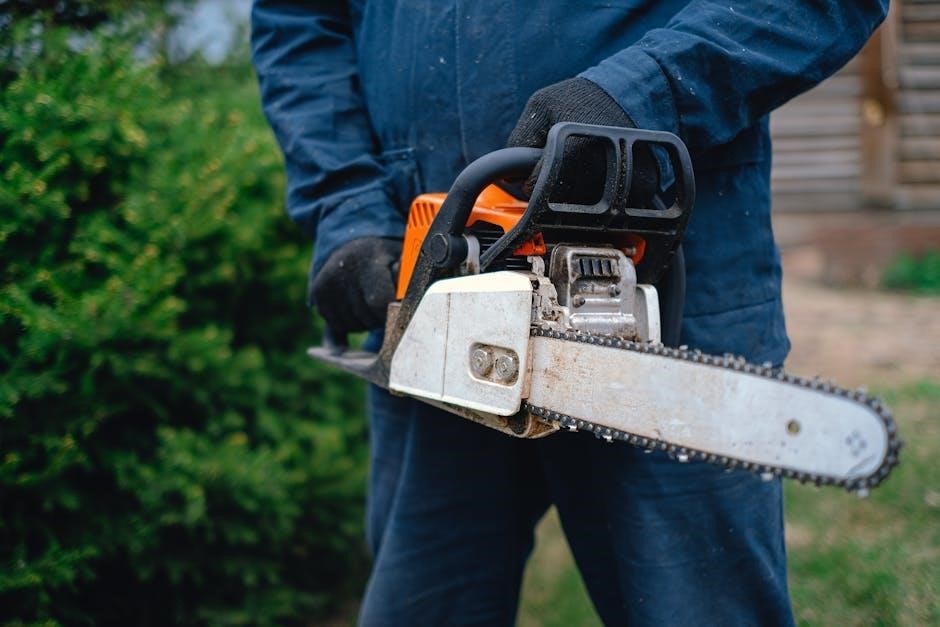
Chainsaw chains are complex systems, comprised of interconnected links, cutters, and depth gauges, all working in harmony to efficiently fell trees or process wood. Each component plays a vital role, and understanding their function is key to proper sharpening. The cutters, specifically, require precise angles and consistent sharpness to slice through wood fibers effectively.
Sharpening isn’t simply about making the chain ‘sharp’; it’s about restoring the original geometry of the cutting edges. This involves filing at the correct angle, maintaining consistent depth gauge settings, and ensuring all cutters are of equal length. Ignoring these details leads to inefficient cutting, increased kickback risk, and premature chain wear. A well-maintained chain dramatically improves both performance and user safety.
Why Chainsaw Sharpening is Crucial
A sharp chainsaw chain is paramount for safe and efficient operation. Cutting with a dull chain requires excessive force, increasing the risk of kickback – a sudden, dangerous upward movement of the saw. This force also fatigues the user more quickly, leading to potential errors and accidents. Furthermore, a dull chain doesn’t cut cleanly; it tears and shreds wood, wasting energy and damaging the wood itself.
Regular sharpening extends the life of both the chain and the chainsaw bar. A dull chain causes increased friction and wear on all components. Maintaining a sharp chain minimizes strain on the engine, improving fuel efficiency and reducing maintenance costs. Ultimately, prioritizing sharpening is an investment in safety, productivity, and longevity.
Safety Precautions Before Sharpening
Prioritize safety before commencing any sharpening procedure. Always disconnect the spark plug wire to prevent accidental starting; Wear heavy-duty gloves to protect your hands from sharp edges and metal filings. Eye protection, such as safety glasses or a face shield, is crucial to shield against flying debris.
Ensure a stable and well-lit workspace, free from obstructions. Secure the chainsaw firmly – either in a vise or on a stable surface – to prevent movement during sharpening. Never attempt to sharpen a chain while it’s still on the saw; remove it first. Be mindful of the sharp teeth and avoid touching them unnecessarily.
Types of Chainsaw Sharpeners
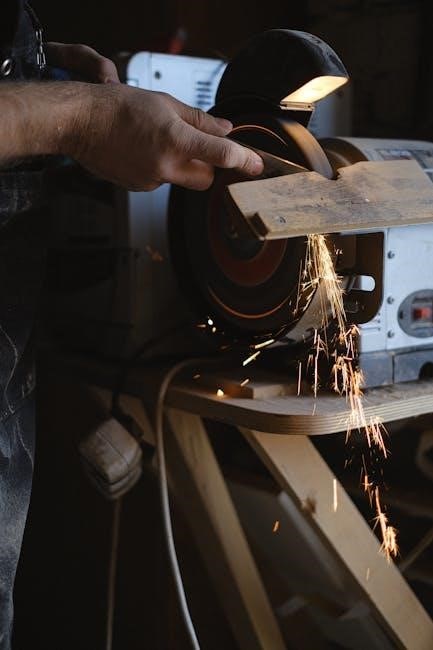
Chainsaw sharpeners vary in complexity and price, catering to different needs. Manual sharpeners are affordable and portable, relying on hand filing for precision – ideal for occasional use and experienced users. Electric sharpeners offer speed and convenience, utilizing a rotating abrasive wheel, suitable for frequent sharpening tasks.
Gas-powered sharpeners provide the most power and are often used by professionals for heavy-duty jobs and on-site repairs. Each type has its advantages; manual offers control, electric provides efficiency, and gas delivers robust performance. Consider your sharpening frequency, skill level, and budget when selecting the appropriate sharpener.
Manual Chainsaw Sharpeners
Manual chainsaw sharpeners represent a traditional, cost-effective approach to blade maintenance. These tools typically involve a file, a file holder, and potentially a depth gauge. They demand user skill and physical effort, offering precise control over the sharpening angle and tooth geometry.

Ideal for occasional use or fieldwork, manual sharpeners are portable and don’t require a power source. Mastering the correct filing technique is crucial for achieving a sharp, effective edge. While slower than powered options, they provide a satisfying level of control and are favored by experienced chainsaw users who prioritize precision.
Electric Chainsaw Sharpeners
Electric chainsaw sharpeners offer a balance of speed, convenience, and affordability. These tools utilize a rotating abrasive wheel to quickly remove material from the chain’s cutting teeth. They are generally easier to use than manual sharpeners, requiring less physical exertion and offering more consistent results with practice.
Available in benchtop and handheld models, electric sharpeners are suitable for frequent use. However, it’s vital to select a sharpener with adjustable grinding angles to match your chain’s specifications. Proper technique is still essential to avoid overheating the chain and damaging its temper. They represent a significant time-saver for regular maintenance.
Gas-Powered Chainsaw Sharpeners
Gas-powered chainsaw sharpeners are the most robust and portable option, ideal for professionals or those working in remote locations without access to electricity. These units typically feature a powerful engine driving a grinding wheel, capable of quickly and efficiently sharpening chains.
While offering the fastest sharpening speeds, gas sharpeners require more maintenance, including fuel management and engine upkeep. They also produce exhaust fumes, necessitating use in well-ventilated areas. Precise angle control is crucial to prevent damage, and they often come with a higher price tag. Despite these considerations, their power and portability are invaluable for extensive fieldwork.
Essential Sharpening Tools
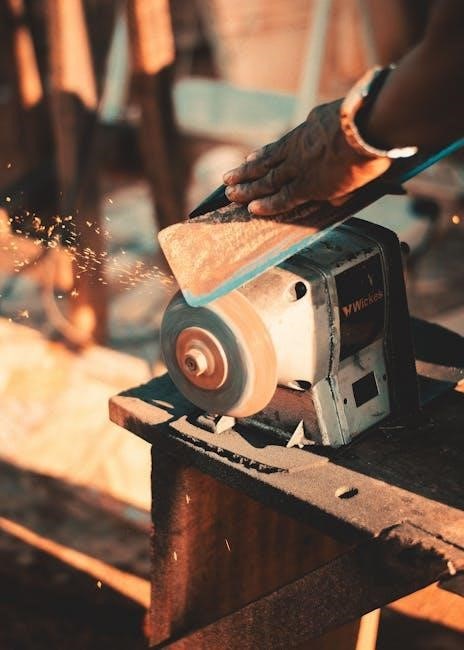
Successful chainsaw sharpening relies on having the right tools at your disposal. Beyond the sharpener itself, several implements are crucial for achieving a professional-quality edge. Round and flat files are fundamental for manual sharpening, allowing precise control over tooth geometry.
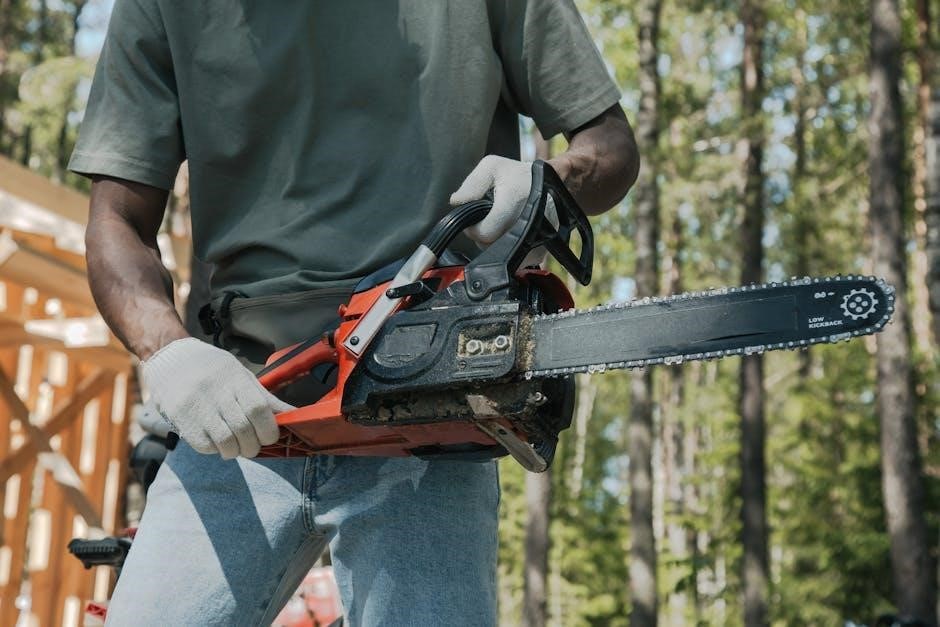
Depth gauges and rakers are vital for maintaining proper cutting depth and preventing the chain from digging too aggressively. File holders and guides enhance accuracy and consistency, especially for beginners. A quality sharpening kit will typically include these components, ensuring you have everything needed to restore your chain’s performance and safety.
Round Files & Flat Files
Round files are the cornerstone of manual chainsaw sharpening, specifically designed to match the curved profile of the chain’s cutting teeth. Selecting the correct file size is paramount – it must fit snugly within the tooth’s gullet. Flat files, conversely, are used for tasks like filing down protruding rakers or adjusting the depth gauges.
High-quality files are constructed from hardened steel, ensuring durability and consistent performance. Regular cleaning and proper storage are essential to prevent rust and maintain their effectiveness. Understanding the difference between file cuts (coarse, medium, fine) allows for tailored sharpening based on chain type and wood density.
Depth Gauges & Rakers
Depth gauges, also known as rakers, control how much wood each tooth removes, ensuring a clean and efficient cut. These are the teeth between the cutting teeth and are crucial for preventing the chain from digging too aggressively. Maintaining the correct raker height is vital for balanced cutting and reduced kickback risk.
A depth gauge tool simplifies the process of uniformly lowering the rakers to the proper level. Incorrectly set rakers can lead to increased chain drag, reduced cutting speed, and even damage to the chainsaw bar. Regular inspection and adjustment of rakers are essential components of comprehensive chainsaw maintenance.
File Holders & Guides
File holders and guides significantly enhance sharpening precision and consistency, particularly for beginners. These tools securely clamp the round or flat file at the correct angle, minimizing guesswork and ensuring uniform tooth length. They provide a stable platform, reducing fatigue during the sharpening process and promoting safer operation.
Various designs are available, from simple handheld holders to more sophisticated models with adjustable angles. Using a guide helps maintain the optimal filing angle for your specific chain type, maximizing cutting efficiency. Investing in a quality file holder is a worthwhile step towards achieving professional-level sharpening results and prolonging chain life.
The Sharpening Process: Step-by-Step
Sharpening a chainsaw chain involves a methodical approach for optimal results. First, securely mount the chainsaw and select the appropriate file. Identify the correct filing angle – typically 30 degrees – and consistently maintain it throughout the process. Sharpen each cutting tooth with smooth, even strokes, following the existing bevel.
Count the strokes for each tooth to ensure uniformity. After sharpening all teeth on one side, rotate the chainsaw and repeat on the other side. Finally, set the depth gauges (rakers) to the correct height to maintain proper cutting depth and prevent aggressive digging. Regular practice refines technique.
Identifying the Correct Filing Angle
Determining the correct filing angle is paramount for effective chainsaw sharpening. Most chainsaws require a 30-degree angle, but variations exist. Consult your chainsaw’s manual for precise specifications, as incorrect angles diminish cutting performance and can damage the chain.
Visualize the angle by imagining a line bisecting the tooth; the file should be held at 30 degrees relative to this line. Utilize a file guide for consistent accuracy, especially for beginners. Maintaining this angle throughout each stroke ensures uniform sharpening and optimal cutting efficiency. Consistent practice builds muscle memory for accurate filing.
Sharpening the Cutting Teeth
Begin sharpening by securing the chainsaw and selecting the appropriate round file size. Apply gentle, consistent pressure while filing from the inside of the tooth outward, following the correct filing angle. Count the number of strokes for each tooth to ensure uniformity – typically 3-5 strokes per tooth is sufficient.
Maintain a smooth, even motion and avoid digging the file into the metal. Regularly check your progress and compare teeth to ensure consistent sharpness. Always sharpen all teeth on one side of the chain before flipping the chainsaw to sharpen the other side, maintaining balance.
Setting the Depth Gauges (Rakers)
After sharpening the cutting teeth, adjust the depth gauges, also known as rakers. These control how much wood each tooth takes with each pass. Use a depth gauge tool to ensure the rakers are at the correct height relative to the cutting teeth – typically 0.025 inches.
Lowering the rakers too much can lead to aggressive cutting and kickback, while raising them too high reduces cutting efficiency. File down the rakers carefully, maintaining a consistent height across all teeth. Proper raker setting is crucial for balanced cutting and chainsaw performance.
Sharpening Techniques for Different Chain Types
Chainsaw chain designs vary, requiring tailored sharpening approaches. Standard chains benefit from consistent filing angles and depth gauge settings for all teeth. Skip tooth chains, with fewer cutting teeth, demand precise sharpening of each tooth to maintain balance and efficiency.
Carving chains, designed for detailed work, necessitate more frequent and delicate sharpening, often at shallower angles. Understanding the specific geometry of your chain is vital. Adjust filing angles and raker heights accordingly to optimize performance for the intended application, ensuring clean and controlled cuts.
Standard Chain Sharpening
Standard chainsaw chains are the most common type, featuring consistently spaced cutting teeth. Sharpening involves maintaining a uniform filing angle – typically 30 degrees – for each tooth. Use a round file, ensuring it fits snugly within the tooth’s groove.
File with smooth, consistent strokes, following the existing angle. Sharpen every other tooth, then return to address the remaining ones. After sharpening, verify all teeth have equal length. Adjust depth gauges (rakers) to the correct height to prevent excessive wood removal and maintain optimal cutting performance. Regular sharpening keeps your chain working efficiently.
Skip Tooth Chain Sharpening
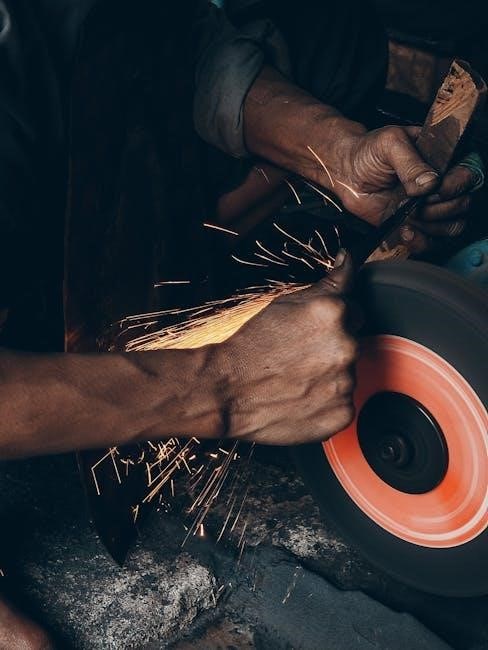
Skip tooth chains have alternating left and right cutting teeth, with a “skip” between them, designed for faster cutting in thicker wood. Sharpening requires a slightly different approach than standard chains. Maintain the correct filing angle – usually 30 degrees – but pay close attention to alternating tooth directions.
Sharpen one tooth, then skip one, continuing around the entire chain. Return to sharpen the skipped teeth, ensuring consistent length and angle. Proper depth gauge adjustment is crucial for skip tooth chains, preventing kickback and maximizing efficiency. This method ensures a balanced and effective cutting action.
Carving Chain Sharpening
Carving chains differ significantly from standard chains, featuring a reduced-radius drive link and a more aggressive tooth geometry for detailed work. Sharpening demands precision and a shallower filing angle, typically around 25 degrees, to facilitate smooth, controlled cuts. Maintaining consistent tooth height is paramount for artistic results.
Focus on carefully filing each tooth, paying close attention to the sweep and angle. Depth gauges are often filed down further on carving chains to allow for greater bite. Regular, light sharpening is preferred over aggressive filing, preserving the chain’s delicate profile and ensuring optimal carving performance.
Maintaining Your Sharpening Tools
Proper tool maintenance extends their lifespan and ensures consistent sharpening results. After each use, thoroughly clean files with a file card to remove metal filings and debris, preventing premature wear and cross-contamination. A light coating of oil, like honing oil, protects against rust and corrosion.
Store sharpening equipment in a dry, secure location, away from moisture and extreme temperatures. Regularly inspect files for damage – cracked or worn files should be replaced immediately. Periodically check depth gauges and raker settings for accuracy, and replace worn components to maintain optimal performance.
Cleaning and Lubricating Files
Consistent cleaning is paramount for file longevity and sharpening precision. After every sharpening session, utilize a file card – a specialized brush – to vigorously remove accumulated metal filings. These filings dull the file and can contaminate the chain during subsequent sharpening. A thorough cleaning prevents abrasive wear.
Lubrication safeguards against rust and ensures smooth operation. Apply a light coat of honing oil or a similar specialized file lubricant. Avoid heavy oils, as they attract more debris. This lubrication minimizes friction, extending the file’s life and maintaining its cutting efficiency. Regular cleaning and lubrication are vital!
Storing Sharpening Equipment
Proper storage protects your investment and ensures readiness for the next sharpening task. Store files in a dry environment to prevent rust; a dedicated file holder or sheath is ideal. Keep files separate to avoid them damaging each other. Depth gauges and rakers should also be stored securely, preventing bending or loss.
Consider a toolbox or organized drawer system. This keeps everything together and easily accessible. Lubricate files before long-term storage, even if they were recently cleaned; A little preventative care extends the lifespan of your sharpening tools, saving you money and frustration in the long run.
Replacing Worn-Out Tools
Sharpening tools, like any equipment, eventually wear out and lose effectiveness. Files, despite careful cleaning, will lose their cutting ability over time. When a file struggles to remove material or feels dull despite cleaning, it’s time for a replacement. Depth gauges and rakers can bend or break with repeated use, compromising accuracy.
Don’t continue using compromised tools; they’ll damage your chain and increase sharpening time. Regularly inspect your equipment for signs of wear. Investing in new, quality tools ensures efficient and safe sharpening, ultimately prolonging the life of your chainsaw and maintaining optimal performance.
Troubleshooting Common Sharpening Issues
Even with careful technique, sharpening can present challenges. If your chain won’t hold an edge, double-check your filing angle and ensure you’re sharpening all teeth consistently. Uneven tooth lengths indicate inconsistent filing – use a file guide and take your time. Difficulty setting rakers often stems from a clogged or damaged depth gauge.
Inspect the raker area for debris and ensure the gauge isn’t bent. Correcting these issues requires patience and attention to detail. Remember, a properly sharpened chain is crucial for safety and efficiency; don’t hesitate to seek professional help if needed.

Chain Won’t Hold an Edge
A chain that quickly loses its sharpness is a common frustration. This often indicates an incorrect filing angle; verify you’re matching the existing bevel. Inconsistent sharpening across all teeth is another frequent cause – ensure each tooth receives the same number of strokes and pressure.
Also, check for hardened steel in the chain; sometimes, the metal itself is the issue. Finally, confirm you’re using the correct file size and type for your chain; A dull or inappropriate file won’t effectively sharpen the cutters, leading to rapid dulling during use.
Uneven Tooth Lengths
Uneven tooth lengths create an imbalanced cutting action, leading to vibration, kickback, and inefficient cutting. This typically stems from inconsistent filing – applying varying pressure or stroke counts to individual teeth. Regularly check tooth length using a depth gauge; it’s a crucial step in maintaining chain health.
If you discover discrepancies, carefully file down the longer teeth to match the shortest ones. Avoid removing excessive material; small, incremental adjustments are best. Consistent depth gauge settings and a steady hand during filing are key to preventing this issue from recurring.
Difficulty Setting Rakers
Setting the depth gauges (rakers) correctly is vital for efficient chip ejection and preventing the chain from digging too aggressively into the wood. Difficulty often arises from using an incorrect raker setting for the chain type or wood being cut. A raker gauge is essential for consistent results.
If you struggle, ensure you’re using the correct gauge and applying even pressure. Start with the manufacturer’s recommended setting and adjust incrementally based on performance. Too low, and the chain won’t clear chips; too high, and it’ll be inefficient. Patience and practice are key!
Advanced Sharpening Concepts
Beyond basic sharpening lies a deeper understanding of chain geometry and its impact on performance. Gullet depth, the space between the teeth, influences chip capacity; adjusting it optimizes cutting in different wood densities. Softer woods require larger gullets, while hardwoods benefit from shallower ones.
Furthermore, adapting your sharpening angle for specific wood types enhances efficiency. Professional services offer specialized grinding to tailor chains for unique applications. Mastering these concepts unlocks peak chainsaw performance, transforming it from a tool into a precision instrument.
Understanding Gullet Depth
The gullet, the space between the cutting teeth, is crucial for efficient chip removal. Its depth directly impacts a chainsaw’s ability to clear debris, preventing clogging and maintaining cutting speed. A deeper gullet excels in handling bulky, soft wood chips, minimizing jams. Conversely, shallower gullets are ideal for dense hardwoods, efficiently ejecting smaller, packed chips.
Incorrect gullet depth leads to reduced performance and increased strain on the chain and motor. Regularly inspecting and adjusting gullet depth, based on the wood type, ensures optimal cutting and prolongs the life of your chainsaw.
Adjusting for Different Wood Types

Chainsaw sharpening isn’t one-size-fits-all; wood density dictates optimal sharpening parameters. Softwoods like pine require a more aggressive angle – typically 30 degrees – for efficient cutting, prioritizing speed over edge retention. Hardwoods, such as oak or maple, demand a shallower angle, around 35 degrees, to maintain a sharper edge for longer durations.
Adjusting the filing angle and raker depth based on the wood type maximizes performance and minimizes wear. Failing to adapt sharpening techniques results in inefficient cutting, increased fuel consumption, and premature dulling of the chain.
Professional Sharpening Services
While DIY sharpening is achievable, professional services offer precision and expertise, especially for complex chain types or severely damaged blades. Experienced technicians utilize specialized equipment to restore chains to factory specifications, ensuring optimal performance and safety.
Consider professional sharpening if you lack confidence, time, or the necessary tools. They can also address issues like bent teeth or uneven wear that are difficult to correct at home. Regular professional servicing extends chain life and prevents costly repairs or replacements, ultimately saving you time and money.