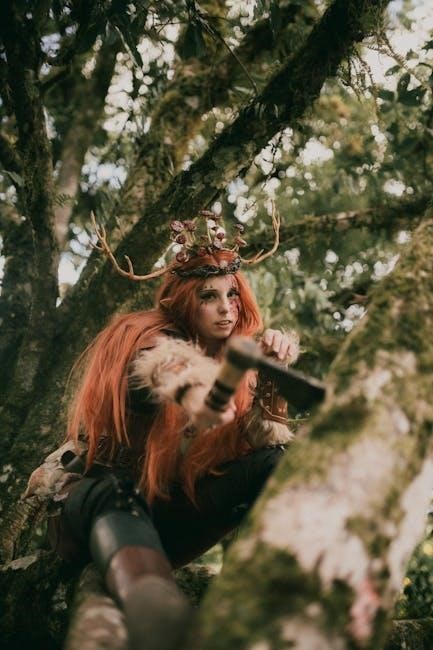
Heliana’s Guide to Monster Hunting: An Overview
Heliana’s compendium, born from extensive field research, details crucial monster lore for aspiring hunters navigating perilous landscapes and facing formidable beasts.
The Historical Context of the Guide
Heliana’s Guide didn’t emerge from a vacuum; its roots lie in centuries of fragmented monster lore, passed down through oral traditions and scattered, often unreliable, bestiaries. Prior to Heliana, knowledge was largely anecdotal, filled with superstition and exaggeration. Early attempts at categorization, like the fragmented ‘Bestiary of Eldoria,’ lacked consistency and practical application.
The turning point came with the establishment of the Royal Monsterological Society in 1488, which began sponsoring expeditions and collecting data. However, these reports remained inaccessible to most hunters. Heliana, recognizing this gap, dedicated her life to compiling a comprehensive, standardized guide. Her work built upon the Society’s findings, correcting inaccuracies and adding her own extensive observations from decades of fieldwork.
The first edition, published in 1592, was revolutionary, offering detailed analyses of monster behavior, habitats, and weaknesses. Subsequent editions incorporated new discoveries and refined existing entries, solidifying its place as the definitive resource for monster hunters.
Heliana Herself: Author and Monster Hunter
Heliana’s identity remains shrouded in mystery, deliberately so. She published under a pseudonym, eschewing fame and preferring to let her work speak for itself. Rumors abound – some claim she was a disgraced noble, others a former member of a secret society dedicated to monster eradication. What is known is her unparalleled expertise.

Accounts from those who encountered her describe a pragmatic, fiercely independent woman, always equipped with meticulously maintained gear and a keen observational eye. She wasn’t a glory-seeking warrior, but a scholar who approached monster hunting as a scientific endeavor. Her notes, filled with detailed anatomical sketches and behavioral analyses, reveal a deep fascination with the creatures she studied.
Heliana’s dedication bordered on obsession, leading her to remote and dangerous locales. She vanished on an expedition to the Serpent’s Spine mountains in 1620, leaving behind only her journals – the foundation for the guide’s final revisions;

Understanding Monster Ecology
Heliana’s guide emphasizes that successful hunting requires comprehending monster behaviors, habitats, diets, and life cycles – knowledge is paramount for survival.
Monster Habitats and Territories
Heliana meticulously details how monster habitats aren’t random occurrences; they’re carefully selected based on resource availability, breeding grounds, and defensibility. Understanding these territorial needs is crucial for both avoiding unwanted encounters and strategically tracking prey. She notes that Gryphons, for instance, favor high-altitude peaks offering expansive hunting grounds, while Basilisks prefer dark, secluded ruins providing ample cover.
Territorial boundaries are often marked by unique scents, claw markings, or even subtle alterations to the environment – signs a skilled hunter learns to recognize. Heliana stresses that disrupting a monster’s territory can provoke aggression, making careful observation and respectful distance vital. Furthermore, she highlights how overlapping territories can lead to conflicts between monsters, creating opportunities or escalating dangers for the unwary hunter.
Monster Diet and Feeding Habits
Heliana’s research reveals that a monster’s diet profoundly influences its behavior, strength, and even its vulnerabilities. She categorizes monsters based on their trophic levels – from apex predators like Gryphons, requiring large quantities of meat, to scavengers and those with more specialized diets. Understanding what a monster eats, and how it obtains its food, is paramount for predicting its movements and setting effective traps.
The guide details how some monsters, like the Hydra, exhibit opportunistic feeding habits, consuming almost anything available, while others, such as the Basilisk, rely on a more specific, and dangerous, method of acquiring sustenance. Heliana also notes the importance of seasonal changes, as food scarcity can drive monsters to venture into populated areas, increasing the risk to settlements.
Monster Life Cycles and Reproduction
Heliana meticulously documents the often-bizarre life cycles of various monsters, noting that reproduction methods vary wildly. Some, like many common beasts, reproduce through conventional means, while others exhibit unique strategies – asexual reproduction, parasitic implantation, or even spontaneous generation under specific conditions. Understanding these cycles is crucial for controlling populations and preventing outbreaks.
The guide highlights that a monster’s vulnerability often peaks during specific stages of its life cycle, such as egg-laying or shortly after metamorphosis. Heliana emphasizes the importance of identifying these weak points for effective hunting. She also cautions against disturbing nesting sites, as enraged parents can pose a significant threat. Knowledge of gestation periods and brood sizes is vital for predicting future monster activity.

Key Monsters Featured in Heliana’s Guide
This section profiles iconic creatures—Gryphons, Basilisks, Hydras, and Cockatrices—detailing their behaviors, weaknesses, and the specific dangers they present to hunters.
The Gryphon: A Majestic Aerial Predator
Gryphons, magnificent beasts possessing the body of a lion and the head and wings of an eagle, dominate the skies as apex predators. Heliana’s guide meticulously details their territorial nature, often establishing nests atop sheer cliffs or within abandoned ruins, providing excellent vantage points. These creatures are fiercely protective of their young and hoard valuable treasures, attracting unwanted attention from adventurers.
Their diet primarily consists of large mammals, though they aren’t averse to livestock or even unwary humanoids. Hunters should be aware of their incredible speed and agility in flight, coupled with razor-sharp talons and a powerful beak. Effective strategies involve utilizing ranged attacks and seeking cover from their aerial assaults. Gryphon feathers are highly prized for their magical properties, often used in potions and enchanting rituals, making the hunt worthwhile despite the inherent risks.
The Basilisk: Master of Petrifying Gaze
The Basilisk, a serpentine horror, is infamous for its deadly gaze – direct eye contact results in immediate petrification. Heliana’s guide stresses the paramount importance of avoiding its stare at all costs, recommending mirrored shields or indirect viewing methods. Basilisks typically inhabit dark, damp environments like caves and ancient tombs, often guarding forgotten treasures or cursed artifacts.
These creatures are ambush predators, relying on stealth and their petrifying ability to subdue prey. Beyond the gaze, they possess venomous fangs and a constricting body, adding to their lethal arsenal. Countermeasures include utilizing protective eyewear, employing distractions, and exploiting their relatively slow movement speed. Basilisk scales are sought after for crafting potent anti-venoms and protective amulets, though harvesting them presents a significant challenge, demanding extreme caution and preparation.
The Hydra: Multi-Headed Regeneration
Hydras, colossal reptilian beasts, are renowned for their multiple heads and terrifying regenerative capabilities. As detailed in Heliana’s guide, severing a head doesn’t guarantee victory; two will rapidly grow back in its place unless the wound is cauterized immediately with fire or a specialized alchemical solution. These creatures favor swampy, marshland habitats, often creating lairs within dense vegetation and murky waters.
Hydras are aggressive predators, utilizing their numerous heads to launch coordinated attacks, employing bites, constricting coils, and even venomous spittle. Effective strategies involve focusing attacks on the central neck to prevent regeneration, utilizing area-of-effect fire spells, and maintaining constant mobility. Hydra scales and blood are valuable alchemical ingredients, used in potions of regeneration and resilience, but acquiring them requires exceptional skill and bravery.
The Cockatrice: Bird-Reptile Hybrid Threat
The Cockatrice, a chilling fusion of bird and reptile, presents a unique and deadly challenge to monster hunters, as meticulously documented by Heliana. Its most infamous ability is petrification – a single glance from its piercing eyes can turn living creatures to stone. Heliana’s guide stresses the absolute necessity of employing mirrored shields or heavily obscured vision during encounters.
Cockatrices typically inhabit ruins, caves, and desolate landscapes, ambushing prey with swift, silent attacks. They are surprisingly agile for their size, capable of short bursts of flight and powerful claw strikes. Their feathers and blood possess potent magical properties, sought after for crafting protective amulets and petrification-resistant potions. Hunters must prioritize avoiding direct eye contact and exploiting the Cockatrice’s relatively fragile underbelly for a successful hunt.

Monster Hunting Techniques & Preparation
Successful hunts demand meticulous preparation, including specialized gear, keen tracking skills, and adaptable combat strategies, all detailed within Heliana’s comprehensive guide.
Essential Gear for Monster Hunters
Heliana’s guide emphasizes that proper equipment is paramount for survival. A sturdy, well-maintained weapon – be it sword, bow, or specialized polearm – is fundamental. Hunters should carry multiple blades, anticipating breakage or loss during intense encounters.
Protective armor, crafted from monster hides or reinforced metals, mitigates damage, though mobility must not be sacrificed. Potions are vital; healing draughts, antidotes for venom, and elixirs enhancing strength or agility are indispensable.
Beyond combat, a hunter requires tools for tracking – magnifying glasses, scent traps, and detailed maps. A reliable light source, such as a lantern or luminescent moss, is crucial for navigating dark caves or nocturnal hunts. Finally, a comprehensive first-aid kit, alongside knowledge of herbal remedies, can prove life-saving in remote locations.
Tracking and Identifying Monsters
Heliana’s meticulous guide details that successful hunts begin with diligent tracking. Identifying spoor – footprints, scat, and claw marks – is the initial step, requiring keen observation and comparison to documented monster profiles. Understanding gait patterns reveals size, weight, and even the creature’s emotional state.
Scents are equally important; many monsters possess unique odors detectable even from a distance. Analyzing disturbed vegetation or prey remains provides clues about feeding habits and territorial boundaries.
However, Heliana cautions against relying solely on physical evidence. Local folklore and eyewitness accounts, while often embellished, can offer valuable insights. Cross-referencing multiple sources and verifying information is crucial to avoid misidentification and ensure a prepared approach.
Combat Strategies Against Common Threats

Heliana’s guide emphasizes that direct confrontation should always be a last resort. Prioritize understanding a monster’s weaknesses – be it elemental vulnerabilities, behavioral patterns, or anatomical flaws. For aerial predators like Gryphons, ranged attacks and disrupting flight paths are key.
Against Basilisk’s petrifying gaze, mirrored surfaces or indirect viewing methods are essential. Hydras demand focused attacks on the neck, preventing regeneration, while Cockatrice encounters require swift, decisive strikes to avoid their poisonous touch.
Heliana stresses the importance of teamwork and utilizing terrain to your advantage. Employing traps, creating diversions, and exploiting environmental hazards can significantly increase your chances of survival. Always carry antidotes and healing potions, and never underestimate a monster’s cunning.

Advanced Hunting & Monster Lore
Heliana’s advanced texts delve into alchemy, ethical considerations, and the secrets surrounding rare creatures, pushing hunters beyond basic survival techniques.
Utilizing Monster Parts & Alchemy
Heliana meticulously documents the alchemical properties inherent within monster components, moving beyond simple trophy collection. She details how scales, venom, bones, and even organs can be refined into potent potions, durable armor enhancements, and specialized tools.
The guide stresses precise preparation methods – the lunar cycle’s influence on potency, the correct binding agents, and the dangers of improper mixing. Recipes range from basic healing salves crafted from Gryphon feathers to complex elixirs granting temporary resistance to Basilisk petrification.
However, Heliana cautions against reckless experimentation; some monster parts retain residual magical energies, potentially causing unpredictable side effects. She includes detailed safety protocols and antidotes, emphasizing responsible utilization of these powerful resources for the discerning hunter.
The Ethics of Monster Hunting
Heliana dedicates a significant section to the moral complexities of monster hunting, challenging the simplistic “monster as evil” narrative. She argues for understanding a creature’s role within its ecosystem before resorting to lethal force, advocating for relocation or containment whenever feasible.
The guide explores the impact of unchecked hunting on monster populations and the potential consequences of disrupting the natural order. Heliana condemns indiscriminate slaughter for sport or profit, emphasizing the hunter’s responsibility to maintain ecological balance.
She also addresses the sentience of certain creatures, prompting hunters to question the justification of taking a life, even a monstrous one. This section isn’t about pacifism, but about informed, conscientious action, urging hunters to consider the wider implications of their deeds.
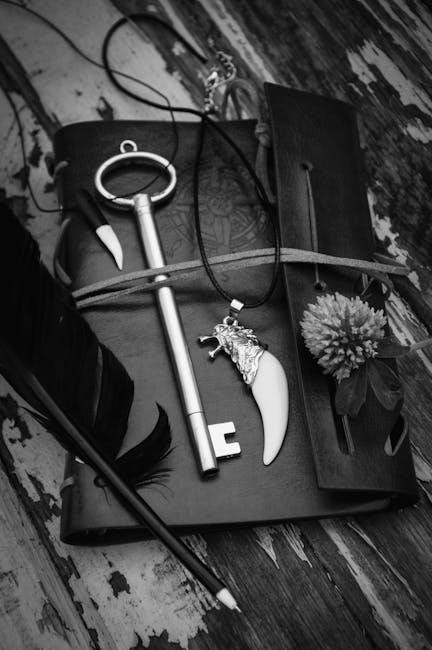
Rare and Legendary Monsters
Heliana’s guide culminates in a compendium of exceptionally rare and legendary monsters, creatures bordering on myth. These entries differ significantly from others, often lacking concrete details due to limited sightings and reliance on folklore. She stresses the dangers of pursuing these beasts, warning that even attempting to locate them can be perilous.
Descriptions include the elusive Shadow Leviathan, a colossal serpent said to dwell in the deepest ocean trenches, and the Sunstone Phoenix, a bird of pure fire reborn from volcanic ash. Heliana notes that encounters with these beings often defy conventional understanding,

suggesting they operate on a different plane of existence. The section serves as both a warning and a tantalizing glimpse into the unexplored corners of the monster world, urging caution and respect.