Sculpey Cooking Instructions: A Comprehensive Guide
Sculpey offers diverse clay lines‚ tools‚ and accessories for endless creativity. Explore various types – Premo‚ Super Sculpey – and unlock vibrant patterns like marble and swirl.
Understanding Sculpey Clay Types
Sculpey presents a fascinating array of polymer clay options‚ each tailored for specific crafting needs and skill levels. Understanding these distinctions is crucial for achieving optimal results in your projects. Sculpey Premo stands out for its exceptional versatility and ease of color mixing‚ making it ideal for both beginners and experienced artists seeking vibrant‚ custom hues.
Super Sculpey‚ on the other hand‚ is a favorite among sculptors due to its firm texture and ability to hold intricate details. This clay type excels in creating finely finished sculptures that can be further refined after baking through sanding‚ carving‚ and painting. For those just starting their polymer clay journey‚ Sculpey offers beginner-friendly options designed to introduce the fundamentals of this rewarding hobby.

These starter clays often come in convenient multipacks with a curated selection of colors‚ providing everything needed to begin experimenting. Beyond these core types‚ Sculpey clays are available in a stunning spectrum of colors‚ including unique finishes like glow-in-the-dark and metallic‚ expanding the possibilities for creative expression. Choosing the right Sculpey clay is the first step towards bringing your artistic vision to life.
Sculpey Premo: Versatility and Color Mixing
Sculpey Premo is celebrated for its exceptional versatility‚ making it a go-to choice for a wide range of polymer clay projects. Its soft texture allows for easy manipulation‚ while its durability ensures lasting creations. A key strength of Sculpey Premo lies in its remarkable ability to blend colors seamlessly. Crafters can effortlessly mix and match the diverse range of Premo shades to develop exciting and unique patterns.
Imagine crafting intricate designs like mesmerizing marble effects‚ swirling gradients‚ or bold chevron patterns – the possibilities are truly endless. This clay’s consistency also lends itself beautifully to techniques involving cut-out tools and shapes‚ allowing you to create precise and detailed elements for your artwork. Whether you’re a seasoned polymer clay artist or just beginning to explore this creative medium‚ Sculpey Premo offers a user-friendly experience.
It’s perfect for everything from jewelry making and miniature sculpting to home décor and mixed media projects. With Sculpey Premo‚ you’re not just buying clay; you’re unlocking a world of artistic potential.
Super Sculpey: For Detailed Sculptures
Super Sculpey is the preferred choice among sculptors and artists seeking to create finely detailed finished pieces. Unlike some other polymer clays‚ Super Sculpey maintains its firmness even during sculpting‚ allowing for precise control and intricate detailing. This characteristic makes it ideal for projects where accuracy and definition are paramount‚ such as miniature figures‚ character models‚ and realistic sculptures.
A unique advantage of Super Sculpey is its ability to be easily worked with after baking. Once cured in the oven‚ the material can be drilled‚ carved‚ sanded‚ and painted‚ opening up a world of post-baking finishing techniques. Artists frequently use these methods to refine their sculptures‚ add textures‚ and achieve a professional-quality finish. Water-based acrylic paints adhere beautifully to baked Super Sculpey‚ allowing for vibrant and lasting color.
Whether you’re a professional sculptor or a hobbyist‚ Super Sculpey provides the foundation for bringing your most imaginative creations to life with exceptional detail and durability.
Sculpey for Beginners: Getting Started
Sculpey polymer clay is an excellent medium for anyone eager to enter the world of crafting! If you’re just beginning your creative journey‚ Sculpey offers a fantastic and accessible starting point. The brand provides a range of polymer clays specifically designed for beginners‚ ensuring a smooth and enjoyable learning experience.
To kickstart your adventure‚ consider investing in Sculpey multipacks. These convenient packs contain a curated selection of colors and just the right amount of clay‚ allowing you to experiment with various techniques without a large initial investment. This is a cost-effective way to explore your creativity and discover your preferred shades.
Sculpey’s versatility allows for a wide array of projects‚ from simple decorative magnets to more complex sculptures. You can easily mold the clay into lively creations and‚ once baked‚ attach magnets for charming refrigerator decorations. Don’t hesitate to browse the extensive range of Sculpey polymer products to find the perfect clay to realize your vision and unlock your artistic potential!
Essential Tools and Accessories
To truly elevate your Sculpey crafting experience‚ having the right tools and accessories is crucial. While you can start with basic household items‚ investing in specialized tools will significantly enhance your precision and creative possibilities. Cut-out tools with unique shapes are invaluable for creating intricate designs and patterns within your clay projects.
These tools allow you to easily use your clay patterns as a base for various items‚ adding a professional touch to your creations. Beyond cut-out tools‚ consider acquiring acrylic paints for post-baking decoration. Super Sculpey‚ in particular‚ lends itself beautifully to painting after it has been cured in the oven‚ allowing for detailed and vibrant finishes.
Furthermore‚ explore the range of varnishes‚ clear coatings‚ and sealers available for polymer clay. These finishing products protect your work‚ enhance its durability‚ and add a professional sheen. With a well-equipped toolkit‚ you’ll be prepared to tackle any Sculpey project with confidence and achieve stunning results!
Preparing Your Workspace
Before embarking on your Sculpey adventure‚ proper workspace preparation is paramount. Select a dedicated area free from distractions and‚ crucially‚ protected from dust and pet hair – these can easily adhere to the clay and compromise the final finish. A smooth‚ non-porous surface is ideal; glass‚ ceramic tiles‚ or a dedicated crafting mat work wonderfully.
Avoid using porous surfaces like wood‚ as the clay can potentially leave a residue. Consider covering your workspace with parchment paper or wax paper to further prevent sticking and facilitate easy cleanup. Adequate lighting is also essential‚ allowing you to clearly see the details of your work and accurately assess colors.
Having all your tools and Sculpey colors readily accessible will streamline the creative process. Remember‚ a clean and organized workspace fosters focus and allows your imagination to flourish; Taking the time to prepare your area will ultimately contribute to a more enjoyable and successful crafting experience.
Conditioning Sculpey Clay
Conditioning your Sculpey clay is a crucial step‚ transforming it from a firm block into a pliable‚ workable material. This process softens the clay and evenly distributes the plasticizers‚ ensuring a smooth sculpting experience and preventing cracking during baking. Begin by breaking off a manageable piece of clay – working with smaller portions is often easier.
Using your hands‚ gently warm and knead the clay. Initially‚ it may feel stiff‚ but with continued manipulation‚ it will become softer and more flexible. A pasta machine dedicated solely to clay is an excellent tool for conditioning‚ consistently softening and smoothing the clay to the perfect consistency.
If you don’t have a pasta machine‚ continue kneading until the clay is uniformly soft and free of air bubbles. Air bubbles can cause explosions during baking‚ so thorough conditioning is vital. Properly conditioned clay will be easier to shape‚ blend colors‚ and create intricate details with.
Sculpting Techniques
Once your Sculpey clay is properly conditioned‚ a world of sculpting possibilities opens up! Basic techniques form the foundation for more complex creations. Blending is essential for smooth transitions between colors; gently work the clay together‚ avoiding overmixing which can muddy the shades. Shaping involves using your fingers and tools to form the desired form – rolling‚ pinching‚ and smoothing are fundamental.
For detailed work‚ consider using sculpting tools. These come in various shapes and sizes‚ allowing for precise carving‚ texturing‚ and adding intricate details. Remember to work slowly and deliberately‚ building up your sculpture gradually. Creating decorative magnets is a fun project – mold small creations and adhere magnets post-baking.
Super Sculpey is particularly suited for detailed sculptures‚ allowing for carving‚ sanding‚ and painting after baking. Experiment with different techniques to discover your personal style and bring your creative visions to life. Don’t be afraid to practice and explore!
Creating Patterns: Marble‚ Swirl‚ and Chevron
Sculpey Premo clay truly shines when it comes to creating captivating patterns! The versatility of its colors allows for exciting designs. To achieve a marble effect‚ lightly blend two or more colors together‚ avoiding complete mixing to retain distinct veining. For a swirl pattern‚ roll different colored clays into logs‚ twist them together‚ and then gently roll to create a spiral effect.
The chevron pattern‚ resembling a zigzag‚ requires carefully arranging alternating colors of clay into a pointed shape‚ then reducing the size through gentle rolling. Experiment with color combinations – contrasting shades create bold patterns‚ while analogous colors offer a more subtle look. Don’t limit yourself to these three; explore kaleidoscope and other intricate designs!

These patterns can be used as a base for various items‚ especially when combined with cut-out tools. Remember‚ gentle handling is key to preserving the pattern’s integrity during sculpting and baking. Have fun mixing and matching!
Using Cut-Out Tools and Shapes
Cut-out tools dramatically expand your creative possibilities with Sculpey clay! These tools‚ available in a vast array of shapes – from simple geometric forms to intricate designs – allow you to effortlessly create consistent and precise elements for your projects. They’re perfect for adding details to larger sculptures or producing multiples of the same shape for jewelry or embellishments.
To use them effectively‚ condition your clay well to ensure smooth cutting. Roll the clay to an even thickness‚ then firmly press the cut-out tool into the clay. Gently remove the excess clay around the shape. These cut-out shapes work wonderfully with the patterns you’ve created – marble‚ swirl‚ or chevron – adding another layer of visual interest.

Consider using the cut-out shapes as molds themselves‚ pressing clay into them to create raised designs. Remember to lightly dust the tools with cornstarch to prevent sticking. Explore different techniques and combinations to unlock endless design possibilities!
Baking Instructions: Temperature and Time
Baking Sculpey is crucial for achieving a durable‚ finished piece. Always follow the specific instructions printed on your Sculpey clay packaging‚ as baking times and temperatures can vary slightly between different clay types – Premo‚ Super Sculpey‚ and others. However‚ a general guideline is to bake at 275°F (135°C).
Baking time typically ranges from 15 to 30 minutes‚ depending on the thickness of your creation. Thinner pieces require less time‚ while thicker sculptures need longer to ensure they are thoroughly cured. It’s better to slightly underbake than overbake‚ as overbaking can cause discoloration or brittleness.
Use a dedicated oven for baking polymer clay‚ and avoid using it for food afterward. An oven thermometer is highly recommended to ensure accurate temperature control. Once baked‚ allow your piece to cool completely before handling or finishing. Proper baking guarantees a strong‚ lasting result!
Baking Safety Precautions
Safety is paramount when baking Sculpey clay. Always dedicate a specific oven solely for crafting purposes; do not use it for food preparation afterward‚ as trace fumes can remain. Ensure adequate ventilation in your workspace by opening a window or using a fan during the baking process.
Never leave the oven unattended while baking polymer clay. Use an oven thermometer to verify the temperature‚ as oven dials can be inaccurate. Avoid baking clay directly on oven racks; place it on a ceramic tile or baking sheet lined with parchment paper to prevent sticking and ensure even heat distribution.
Be cautious when removing baked clay from the oven‚ as it will be very hot. Use oven mitts or tongs to handle the pieces. While Sculpey doesn’t release harmful fumes when baked correctly‚ avoid inhaling any potential smoke. Keep children and pets away from the baking area to prevent accidents.
Post-Baking: Finishing Techniques
Once your Sculpey creations have cooled completely after baking‚ a world of finishing techniques awaits! Super Sculpey‚ in particular‚ lends itself beautifully to refinement. You can carefully sand away imperfections using fine-grit sandpaper‚ gradually increasing smoothness. Carving details into the hardened clay is also possible‚ allowing for intricate designs.
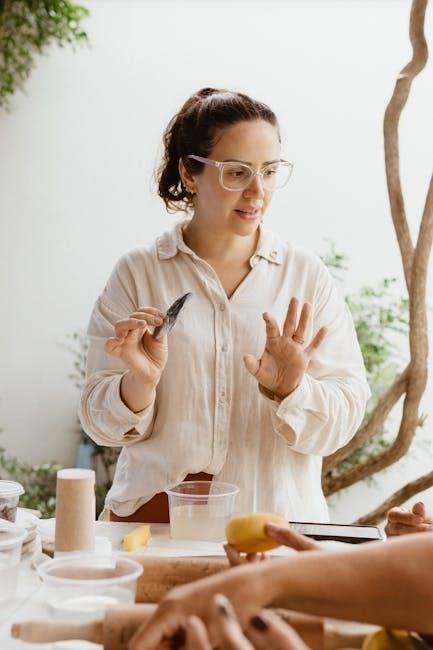
Painting with water-based acrylic paints brings your sculptures to life. Apply thin‚ even coats‚ allowing each layer to dry before adding the next. Experiment with different colors and shading techniques to achieve desired effects. Remember to seal the paint with a varnish or sealer to protect it from chipping and fading.
Various varnishes‚ clear coatings‚ and sealers are available‚ offering different levels of shine – from matte to glossy. These protect the paint and enhance the overall appearance of your piece. Consider applying multiple coats for increased durability. Finally‚ embellishments like magnets can be added with strong adhesive‚ transforming your creations into functional art!
Sanding and Carving Super Sculpey
Super Sculpey truly shines when it comes to post-baking refinement. After curing‚ this clay becomes remarkably receptive to sanding and carving‚ allowing for incredibly detailed finishing touches. Begin with a coarser grit sandpaper – around 220 – to remove larger imperfections or unwanted bulk. Gradually transition to finer grits‚ such as 400 and 600‚ to achieve a smooth‚ polished surface.
When sanding‚ work slowly and evenly‚ avoiding excessive pressure that could damage delicate areas. Dust frequently to maintain visibility and prevent clogging the sandpaper. For carving‚ utilize specialized sculpting tools or even small hobby knives. Exercise caution and control‚ removing material in small increments.
Remember that Super Sculpey‚ once baked‚ can be drilled as well‚ opening up possibilities for adding armatures‚ hanging loops‚ or other functional elements. Always wear a dust mask during sanding and carving to protect your lungs. These techniques elevate your sculptures from good to exceptional!
Painting with Acrylics
Super Sculpey‚ after baking‚ provides an excellent surface for painting‚ and acrylic paints are the preferred medium for most artists. Water-based acrylics adhere beautifully to the cured clay‚ offering vibrant color and lasting durability. Before painting‚ ensure your sculpture is completely clean and free of dust or residue from sanding.
Begin with a thin base coat to seal the clay and provide a uniform surface for subsequent layers. Allow each coat to dry completely before applying the next. Multiple thin coats are preferable to one thick coat‚ as this minimizes the risk of cracking or obscuring detail. Use a variety of brush sizes to reach all areas of your sculpture‚ from broad surfaces to intricate crevices.
Don’t be afraid to experiment with different acrylic techniques‚ such as dry brushing‚ layering‚ or blending‚ to achieve desired effects. Consider using acrylic inks for fine details or washes. Remember to seal your painted sculpture with a varnish or sealer to protect the paint and enhance its longevity.
Applying Varnishes and Sealers
Sculpey projects benefit greatly from the application of varnishes and sealers‚ providing protection and enhancing the finished appearance. These coatings shield the polymer clay from scratches‚ dust‚ and UV damage‚ ensuring your creations remain vibrant for years to come. Several options are available‚ each offering unique properties and finishes.
Water-based varnishes are popular for their ease of use and low odor‚ while solvent-based varnishes provide a more durable and glossy finish. Sealers‚ often available in spray or brush-on formulas‚ create a protective barrier against moisture and handling. When applying varnish or sealer‚ work in a well-ventilated area and follow the manufacturer’s instructions carefully.
Apply thin‚ even coats‚ allowing each layer to dry completely before applying the next. Multiple coats provide greater protection and a more polished look. Consider the desired sheen – matte‚ satin‚ or gloss – when selecting a product. Properly sealed Sculpey creations are more resistant to wear and tear‚ preserving their beauty and detail.
Troubleshooting Common Issues
Sculpey crafting‚ while rewarding‚ can sometimes present challenges. A frequent issue is cracking during baking‚ often caused by clay that wasn’t adequately conditioned or baked at too high a temperature. Ensure thorough kneading to remove air bubbles and strictly adhere to the recommended baking times and temperatures for your specific Sculpey type.
Another common problem is brittleness after baking. This can result from underbaking or using an incompatible varnish. Verify complete curing and select varnishes specifically designed for polymer clay. If your clay is sticking to your work surface‚ lightly dust it with cornstarch or use a dedicated clay mat.
Color bleeding can occur when mixing certain colors; test a small sample first. Bubbles appearing after baking might indicate trapped moisture; pre-baking the clay briefly can help. Remember‚ patience and experimentation are key! Refer to Sculpey’s FAQs and product videos for further assistance in resolving any issues you encounter.