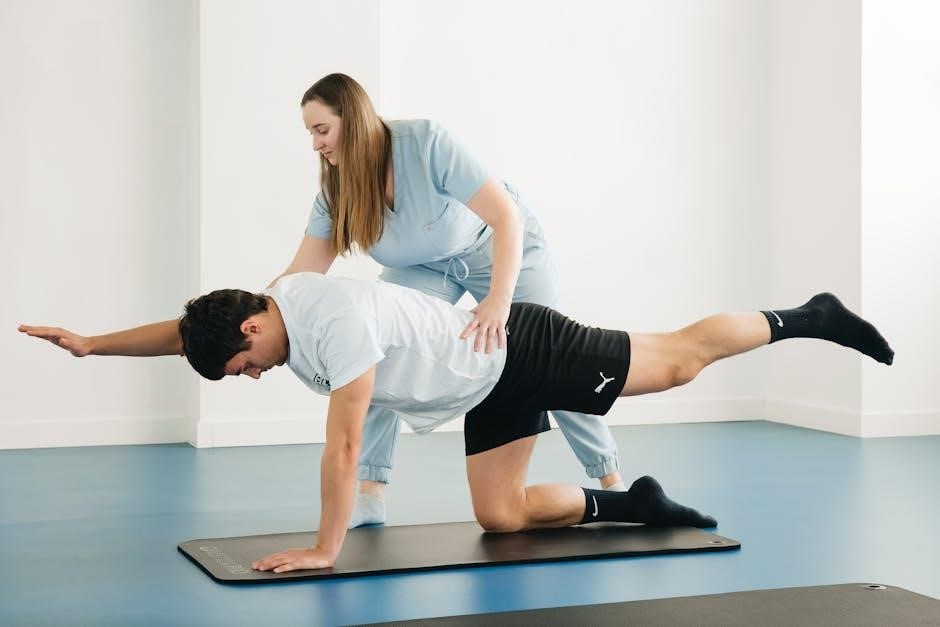
Aquatic Therapy Exercises PDF: A Comprehensive Guide
Discover detailed PDF resources outlining aquatic exercises for rehabilitation, pain management, and improved physical function, endorsed by organizations like the Aquatic Therapy Association.
Aquatic therapy, a rehabilitative approach, leverages the unique properties of water to facilitate movement and healing. It’s a versatile modality, benefiting individuals across a spectrum of conditions – from lower back pain and arthritis to neurological impairments and post-injury recovery. This therapy utilizes specific exercises performed within a pool environment, minimizing joint stress while maximizing therapeutic effects.
PDF resources are crucial for understanding and implementing these exercises effectively. They provide structured programs, detailed instructions, and safety guidelines. Regular participation, as seen with individuals like Marilyn Specht at the YMCA, demonstrates the accessibility and benefits of consistent aquatic exercise. Research consistently supports its effectiveness in reducing pain and improving physical function.
History and Origins of Aquatic Therapy
The roots of aquatic therapy trace back centuries, with ancient civilizations recognizing water’s healing properties. However, its modern development gained momentum in the mid-20th century, particularly with the Halliwick method. This technique, performed one-on-one, focuses on balance and comfort in water.
PDF documentation of these early methods, and subsequent advancements, became vital for standardization and dissemination of knowledge. AL Persiyanova-Dubrova’s 2016 research highlights the growing application of aquatherapy for therapeutic and health promotion. Today, comprehensive guidelines, often available as PDFs, are endorsed by professional organizations, ensuring safe and effective practice. These resources detail the evolution of techniques and exercises.
Benefits of Aquatic Therapy
Aquatic therapy offers a unique approach to rehabilitation and training, providing numerous benefits detailed in accessible PDF guides. Research consistently supports its effectiveness in reducing pain and disease activity, alongside improvements in physical function. This is particularly valuable for individuals experiencing difficulty with traditional exercise.
PDF resources showcase how water’s buoyancy minimizes joint strain, making it ideal for low-impact exercise. For conditions like lower back pain, aquatic exercises are frequently incorporated into treatment plans. Furthermore, these PDFs often illustrate how aquatic therapy enhances rehabilitation post-injury and supports individuals with neurological conditions, promoting overall wellness.
Physiological Effects of Water on the Body
PDF guides on aquatic therapy extensively detail the physiological benefits of water immersion. Buoyancy significantly reduces the effects of gravity, lessening joint compression and easing movement – a key advantage highlighted in numerous resources. Hydrostatic pressure aids venous return, reducing swelling and improving circulation, as explained in detailed PDFs.
Water’s viscosity provides gentle resistance, strengthening muscles without the need for heavy weights. These PDFs often illustrate how this resistance enhances proprioception and balance. Furthermore, water temperature influences muscle relaxation and pain modulation, effects thoroughly documented within comprehensive aquatic therapy PDF materials;

Types of Aquatic Therapy Exercises
PDF resources showcase techniques like Halliwick, Ai Chi (aquatic Tai Chi), and Watsu – water shiatsu – offering varied approaches to therapeutic exercise.
Halliwick Aquatic Therapy
Halliwick aquatic therapy, detailed in numerous PDF guides, is a specialized one-on-one technique performed in a pool environment. Its core principle focuses on fostering balance and comfort within the water, enabling individuals to gain control over their movements. The method employs a structured, ten-point program designed to progressively challenge and improve a patient’s ability to adapt to the aquatic medium.
PDF resources emphasize that Halliwick isn’t simply exercise; it’s a sensory-motor learning approach. Therapists guide patients through specific movements, encouraging them to discover and refine their own postural control. This technique is particularly beneficial for individuals with neurological conditions or those recovering from injuries, as it minimizes stress on joints while maximizing therapeutic potential. Detailed protocols and exercise progressions are often included in comprehensive PDF manuals.
Ai Chi – Aquatic Tai Chi
Ai Chi, often documented in detailed PDF exercise guides, is a gentle, flowing aquatic exercise program inspired by Tai Chi principles. Performed in chest-deep water, it combines slow, deliberate movements with deep breathing, promoting relaxation and improved range of motion. Many PDF resources highlight Ai Chi’s accessibility, making it suitable for individuals of varying fitness levels and abilities.
PDF materials emphasize that Ai Chi focuses on the connection between mind and body, enhancing body awareness and reducing stress. The exercises are performed slowly and continuously, utilizing the water’s resistance to strengthen muscles and improve balance. These guides often include visual aids and step-by-step instructions, making it easy to learn and implement the routines. It’s a popular modality detailed in aquatic therapy PDFs for its holistic benefits.
Watsu – Water Shiatsu
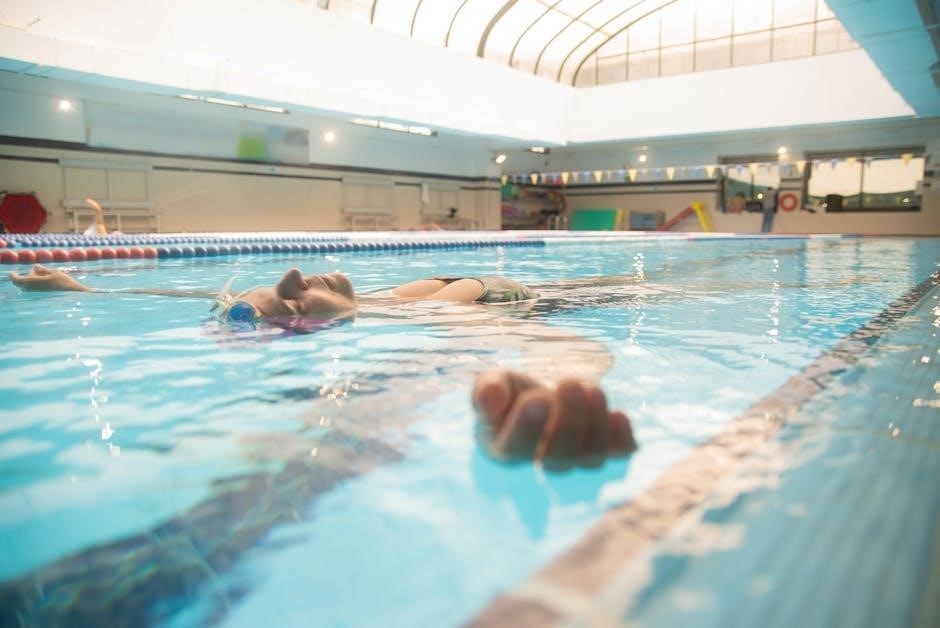
Watsu, frequently detailed in specialized aquatic therapy PDFs, is a form of aquatic bodywork combining elements of Shiatsu massage, stretching, and aquatic movement. Typically performed in warm water, a practitioner gently supports and moves the recipient, facilitating deep relaxation and releasing muscle tension. PDF guides often illustrate the fluid, dance-like movements characteristic of Watsu.
These PDF resources emphasize Watsu’s unique ability to address both physical and emotional well-being. The buoyancy of the water allows for gentle spinal decompression and increased range of motion, while the practitioner’s touch promotes a sense of safety and trust. Detailed PDFs outline proper body positioning for both practitioner and recipient, ensuring a safe and effective session. It’s a highly specialized technique often found in advanced aquatic therapy PDF materials.
Hydrotherapy Exercises for Pain Management
PDF guides on hydrotherapy exercises for pain management highlight water’s unique properties – buoyancy, resistance, and hydrostatic pressure – to alleviate discomfort. These resources detail exercises targeting various pain conditions, including lower back pain and arthritis, often demonstrating modifications for different ability levels. PDFs emphasize reduced joint stress, enabling a greater range of motion during exercises.
Many PDFs showcase specific routines, like water walking, leg lifts, and gentle stretching, designed to reduce pain and improve function. Research, often summarized within these PDFs, supports aquatic exercise’s effectiveness in minimizing pain and disease activity. Detailed illustrations and step-by-step instructions are common, ensuring safe and proper execution. Accessing these PDFs provides a structured approach to pain management through aquatic therapy.
Equipment Used in Aquatic Therapy
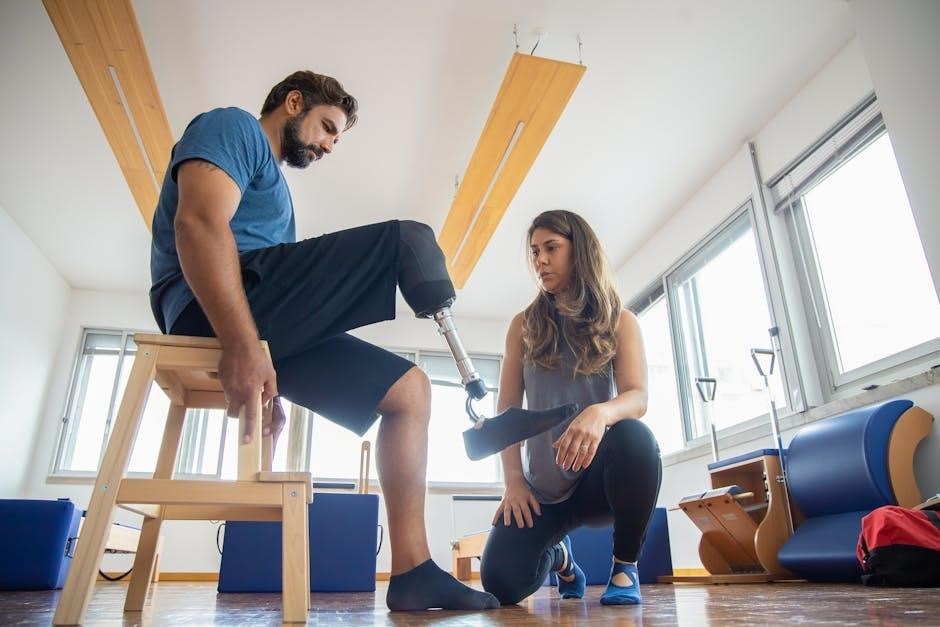
PDF resources detail equipment like aquatic dumbbells, noodles, floats, and resistance cuffs, used to enhance exercise intensity and provide support during therapy.
Aquatic Dumbbells and Barbells
Aquatic dumbbells and barbells, frequently detailed in PDF exercise guides, provide variable resistance for strengthening exercises within the supportive aquatic environment. These tools, often foam-covered or made of waterproof materials, allow for a greater range of motion with reduced joint stress compared to land-based workouts.
PDF resources showcase how these implements are utilized to target specific muscle groups, improving strength, endurance, and functional capacity. They are particularly beneficial for individuals recovering from injuries or managing chronic conditions, as the water’s buoyancy minimizes impact. Exercise programs often include bicep curls, shoulder presses, and lateral raises, adapted for the aquatic setting. Proper form and controlled movements, as illustrated in the PDFs, are crucial for maximizing benefits and preventing injury.
Pool Noodles and Floats
Pool noodles and floats are versatile tools frequently featured in aquatic therapy exercises PDF guides, offering buoyancy and support for a variety of movements. These inexpensive materials assist with maintaining proper body positioning, reducing stress on joints, and enhancing range of motion.
PDF resources demonstrate exercises like water walking with noodle support, flutter kicks using a float between the legs, and gentle stretching assisted by noodle resistance. They are particularly useful for individuals with limited mobility or balance issues. The buoyancy provided allows for exercises that might be difficult or impossible on land. Detailed PDFs often illustrate modifications for different fitness levels and specific therapeutic goals, ensuring safe and effective implementation.
Aquatic Exercise Plates
Aquatic exercise plates, often detailed in aquatic therapy exercises PDF materials, are rectangular flat tools designed to create drag when moved through water. This resistance is key for strengthening muscles and improving cardiovascular fitness. PDF guides showcase exercises utilizing these plates for upper and lower body workouts.
These plates are frequently used for lateral movements, forward and backward steps, and arm exercises, increasing the intensity of the workout. Many PDF resources emphasize their effectiveness in building endurance and improving coordination. They are adaptable for various fitness levels, with adjustments made by altering speed or the number of plates used. Proper technique, as illustrated in comprehensive PDFs, is crucial for maximizing benefits and preventing injury.
Resistance Cuffs and Ankle Weights
Aquatic therapy exercises PDF guides frequently feature exercises utilizing resistance cuffs and ankle weights to amplify workout intensity. These tools provide adjustable resistance, catering to diverse fitness levels and rehabilitation needs. PDF resources demonstrate how to effectively use them for targeted muscle strengthening in a low-impact environment.
Exercises often include leg lifts, hip abduction/adduction, and arm curls, with the added resistance promoting greater muscle engagement. Detailed PDFs illustrate proper placement and technique to ensure safety and maximize effectiveness. They are particularly beneficial for individuals recovering from injury, as they allow for progressive overload without stressing joints. Many PDFs emphasize the importance of controlled movements when using these tools during aquatic therapy.
Aquatic Therapy for Specific Conditions
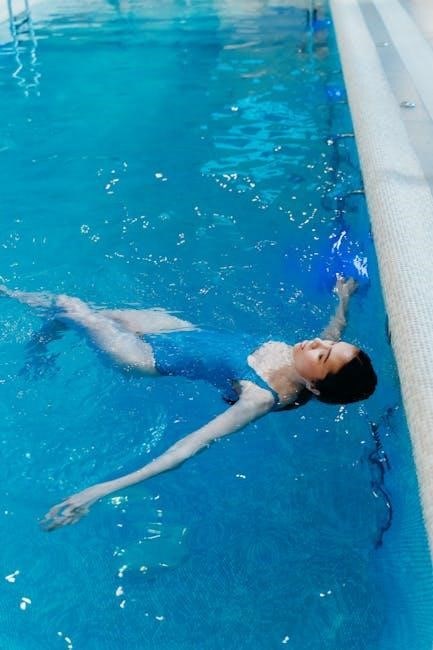
PDF guides detail tailored aquatic exercises for conditions like lower back pain, arthritis, and neurological issues, promoting function and reducing discomfort.
Aquatic Therapy for Lower Back Pain
PDF resources showcase aquatic therapy as a beneficial exercise modality for individuals experiencing lower back pain, often a component of comprehensive treatment plans. Water’s buoyancy reduces stress on the spine, enabling a greater range of motion with less discomfort. These guides detail specific exercises – gentle stretches, core strengthening, and low-impact movements – designed to alleviate pain and improve function.
Many PDFs emphasize that no single remedy universally works; aquatic therapy offers a customizable approach. Exercises focus on stabilizing core muscles, improving posture, and increasing flexibility. Downloadable guides often include progressive exercise programs, allowing individuals to gradually increase intensity as their pain subsides and strength improves. Proper form and qualified instruction, often highlighted in these resources, are crucial for safety and effectiveness.
Aquatic Therapy for Arthritis
PDF guides demonstrate aquatic exercise’s effectiveness in reducing pain and disease activity associated with arthritis, while simultaneously improving physical function. Water’s warmth can soothe aching joints, and buoyancy minimizes weight-bearing stress. These resources detail exercises targeting range of motion, strength, and endurance, specifically adapted for arthritic conditions.
Downloadable PDFs often present programs focusing on gentle movements, reducing joint impact and inflammation. They emphasize the importance of controlled exercises and avoiding overexertion. Many resources highlight that while effective, it’s unclear if aquatic therapy surpasses other exercise forms; however, it provides a uniquely accessible option for many. Look for guides detailing modifications for different arthritis types and severity levels.
Aquatic Therapy for Rehabilitation After Injury
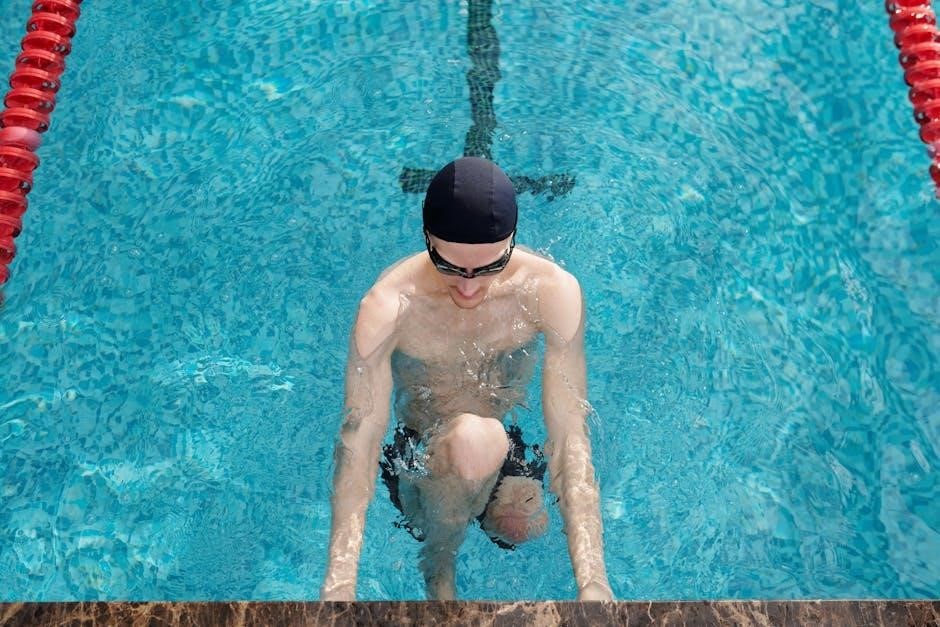
PDF resources showcase aquatic therapy as an innovative approach to post-injury rehabilitation, benefiting both humans and animals – particularly equine athletes. Water’s properties facilitate early mobilization and reduce the risk of re-injury. Downloadable guides often include progressive exercise programs, starting with gentle range-of-motion exercises and gradually increasing resistance.
These PDFs detail how buoyancy supports the body, minimizing stress on healing tissues. They emphasize exercises designed to restore strength, flexibility, and proprioception. Many resources highlight the benefits of hydrotherapy combined with treadmill exercise for accelerated recovery. Look for guides tailored to specific injuries, outlining appropriate exercises and progression criteria for safe and effective rehabilitation.
Aquatic Therapy for Neurological Conditions
PDF guides demonstrate aquatic therapy’s effectiveness for individuals with neurological conditions, focusing on improving motor control, balance, and functional independence. Resources detail exercises designed to address specific deficits resulting from conditions like stroke or spinal cord injury.
These downloadable materials often feature Halliwick techniques, emphasizing rotational movements to enhance balance and coordination. PDFs highlight how water’s properties provide sensory input and reduce spasticity. They also showcase exercises to improve gait, posture, and overall mobility. Look for resources outlining adapted exercise programs for varying levels of neurological impairment, promoting participation and maximizing therapeutic outcomes.
Aquatic Therapy and Medicare Coverage
PDF documents clarify Medicare Part B coverage for aquatic therapy, detailing documentation requirements and qualifying conditions for reimbursement of these beneficial exercises.
Understanding Medicare Part B Coverage
Medicare Part B may cover aquatic therapy when it’s deemed medically necessary, prescribed by a physician, and provided by a qualified healthcare professional. Coverage isn’t automatic; it hinges on demonstrating the therapy’s therapeutic value for a specific condition. PDF resources detailing Medicare guidelines emphasize the need for clear documentation outlining the patient’s diagnosis, treatment plan, and expected functional improvements from the aquatic exercises.
Typically, aquatic therapy is covered when traditional physical therapy hasn’t yielded sufficient progress, or when the water’s properties offer unique benefits. Understanding the specific coding and billing requirements, often found within PDF guides from Medicare, is crucial for both providers and patients seeking reimbursement for these valuable exercises.
Documentation Requirements for Aquatic Therapy
Comprehensive documentation is paramount for successful reimbursement and demonstrating the necessity of aquatic therapy. PDF guides from professional organizations highlight the need for detailed records including the patient’s initial evaluation, specific goals of treatment, and a clear rationale for utilizing aquatic exercises.
Progress notes must meticulously document each session, outlining the exercises performed, the patient’s response, and any modifications made. These PDF-accessible records should also include the physician’s prescription, frequency and duration of treatment, and a justification for why aquatic therapy is superior to land-based alternatives. Accurate and thorough documentation, often available as PDF templates, is essential for Medicare and insurance claims.
Finding Aquatic Therapy Exercises PDF Resources
Explore online databases, professional associations, and research studies to locate comprehensive PDF guides detailing aquatic exercises for various rehabilitation needs and conditions.
Online Databases and Repositories
Numerous online platforms serve as valuable repositories for aquatic therapy exercise PDFs. Searching academic databases like PubMed and Google Scholar can yield research articles detailing specific exercise protocols and their effectiveness. Websites of professional organizations, such as the Aquatic Therapy & Rehabilitation Institute (ATRI), often provide downloadable resources for members and sometimes the public.
Additionally, university libraries frequently host digital collections containing theses and dissertations related to aquatic therapy, potentially including detailed exercise programs. Exploring specialized physiotherapy websites and rehabilitation centers’ resource sections can also uncover useful PDF guides. Remember to critically evaluate the source and ensure the information is current and evidence-based before implementing any exercise program.
Professional Organizations and Associations
Key professional bodies are excellent sources for aquatic therapy exercises PDFs and related guidance. The Aquatic Therapy & Rehabilitation Institute (ATRI) stands out, offering resources, continuing education, and potentially downloadable exercise protocols for its members. The American Physical Therapy Association (APTA) also provides information, though often through its specialized sections like the Academy of Aquatic Physical Therapy.
Furthermore, organizations focused on specific conditions, like the Arthritis Foundation, may offer aquatic exercise PDFs tailored to their patient populations. Checking the websites of these associations frequently reveals updated resources, research summaries, and best practice guidelines. Membership often unlocks access to exclusive content, including detailed exercise programs in PDF format.
Research Studies and Clinical Trials
Accessing research studies can yield valuable aquatic therapy exercises PDFs, often as supplementary material. Databases like PubMed and Google Scholar are crucial starting points; search terms should include “aquatic therapy,” “hydrotherapy,” and “exercise protocols.” Many studies publish detailed exercise regimens as appendices or within their methodology sections, frequently available as downloadable PDFs.
ClinicalTrials.gov lists ongoing and completed trials, some of which may publicly share intervention details, including exercise programs. While full protocols aren’t always available, study summaries often describe the types of exercises used. Investigating publications citing these trials can uncover more comprehensive PDF resources. Remember to critically evaluate the study’s methodology and population when applying the exercises.
Safety Considerations in Aquatic Therapy
Prioritize water temperature, hygiene, and qualified supervision when utilizing aquatic exercise PDFs; ensure a safe environment for optimal therapeutic benefits and prevent incidents.
Water Temperature and Hygiene
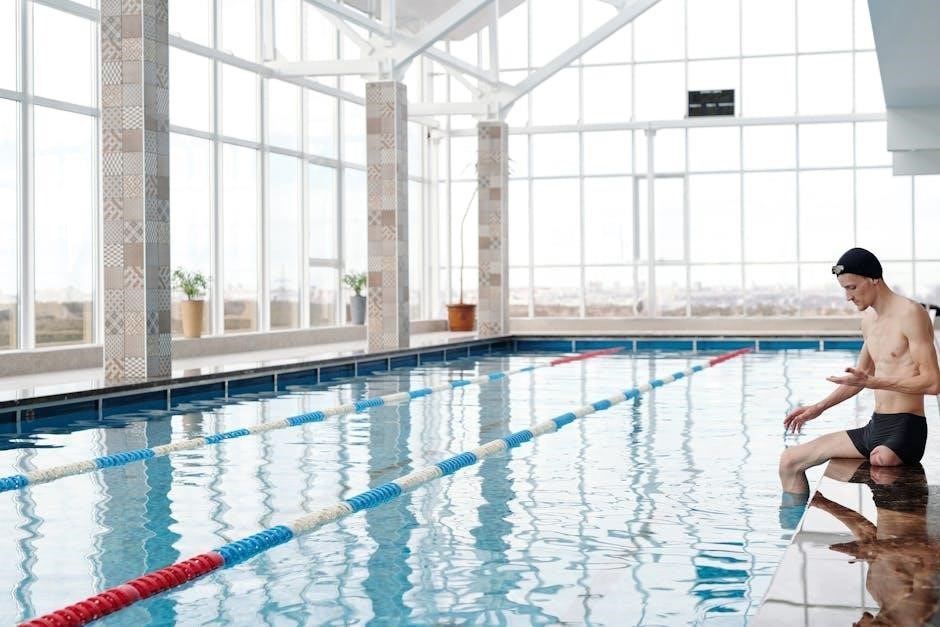
Maintaining optimal water temperature is crucial for effective and safe aquatic therapy. Generally, a temperature range of 83-88°F (28-31°C) is recommended, providing warmth for muscle relaxation and comfort without causing overheating. Consistent monitoring is essential.
Hygiene protocols are equally vital. Pools must adhere to strict sanitation standards, including proper chlorination or alternative disinfection methods, to prevent the spread of infections. Participants should be encouraged to shower before entering the pool and avoid therapy if experiencing any contagious illness.
PDF resources detailing aquatic exercises should also emphasize these safety aspects, reminding therapists and patients of the importance of a clean and appropriately heated aquatic environment for maximizing therapeutic outcomes and minimizing health risks.
Supervision and Qualified Instructors
Effective aquatic therapy necessitates constant, attentive supervision. Individuals undergoing exercises, particularly those with pre-existing conditions or injuries, require direct monitoring to ensure safety and proper form. A qualified instructor is paramount for tailoring exercises to individual needs.
Instructors should possess certifications in aquatic therapy, CPR, and first aid. They must understand biomechanics, pathology, and the specific physiological effects of water on the body. PDF guides detailing exercises should clearly state the required level of instructor expertise.
Comprehensive resources will also highlight the importance of ongoing assessment and modification of exercise programs based on patient progress and response, ensuring optimal therapeutic benefit and minimizing potential risks.